
Practice management plays a critical role in improving the overall operations of medical practice. This function also collects data that enables organizations to offer a better quality of care to their patients, increase revenue, and create a sustainable model for growth. Healthcare businesses operate in a frenzied environment that requires clinicians to provide value-based care, Read more…
Health IT
The Socio Economic Barriers to Sustainable Telemedicine Implementation

The meteoric upsurge in adoption of telemedicine due to the pandemic, and an increasing demand for patient convenience, has rendered telemedicine a useful and necessary adjunct for practicing medicine and delivering care in the 21st century. Its accessibility and effectiveness are reason enough for providers to embrace it in order to supplement in-person visits and Read more…
Risk Stratification; Combining Objective And Subjective Insights for Risk-Stratified Care Management

Practices that employ a “one size fits all’ model, where same level of care is provided to every patient, risk being clinically ineffective and unprofitable because of needless resource-intensive workflows. To maximize efficiency and profit margins, healthcare practices must analyze their patient pool and customize care management accordingly. Risk Stratification allows to correctly evaluate and Read more…
4 Things to Consider When Introducing Telehealth

Digital technology has upended what it traditionally meant to carry out practice activities, primarily, by transcending the need for physicians and patients to be geographically proximal. With the onset of a global pandemic and, as a result, extensive lockdowns, many practices have shifted their operational modality to virtual means that mimic in-person visits. A successful Read more…
4 Steps for Improving RCM Efficiency
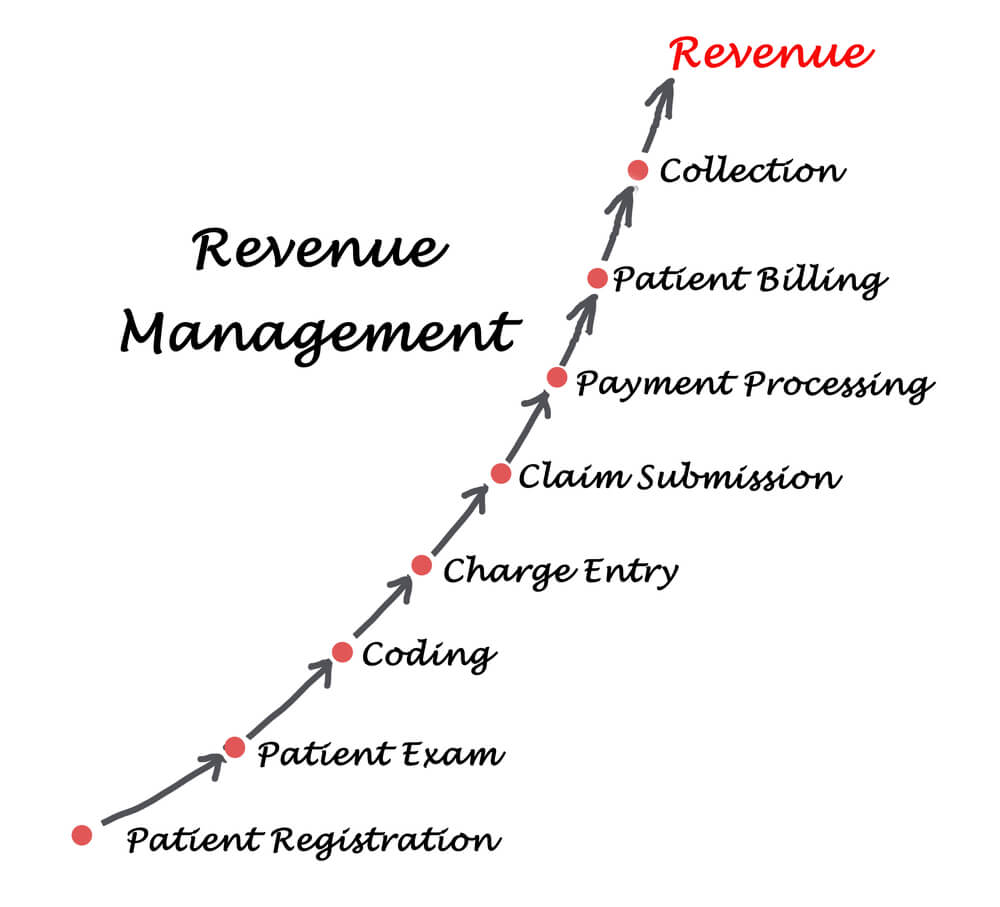
Revenue cycle management (RCM) is an important process for running a thriving practice. The financial, and ultimately administrative, the success of any practice is a function of how well designed and efficiently enacted its RCM system is. Fortifying the financial front is crucial for a number of obvious reasons, like designing and employing marketing strategies Read more…
How Modern Patient Engagement Reduces No-Shows, Improves Collections, and Saves Staff Time
Every medical practice knows the frustration of an empty appointment slot, a phone line that never stops ringing, and a growing pile of unpaid patient balances. These problems drain revenue and wear down even the best teams. The good news is that better patient engagement, supported by the right people, can solve much of this. Read more…
How CureMD EHR Software Helps Practices Keep Accurate Device Related Patient Records
When a patient has an implant or another medical device, the chart has to do more than record the visit. It has to tell a clear story of what was placed, when it was placed, and what happened afterward. A well configured EHR system such as CureMD EHR makes that story easy to capture and Read more…
How EHR and Practice Management Software Support Emergency Readiness
A fire alarm interrupts more than the appointment schedule. Staff need to know who is still in the practice, which patients require assistance, and how essential care information will remain available if the building must be vacated. A busy front desk may have some of those answers, but the information can be scattered across scheduling Read more…
How AI Medical Scribes Are Transforming Clinical Documentation

Healthcare has always depended on accurate documentation. Doctors and other medical professionals need to record patient concerns, clinical findings, treatment decisions, medications, and follow-up plans during or after every visit. While these records are essential for patient care, documentation can also take a significant amount of time. This is where an AI Medical Scribe is Read more…
How Better Patient Education Can Improve the Management of Common Ear Conditions
Ear problems are so common that most people figure they can diagnose them at home. A sharp pain gets labeled an infection, a muffled, blocked feeling gets blamed on earwax, and ear drops are treated like water because they go “just in the ear.” Those everyday assumptions lead to trouble. Five out of six children Read more…