Healthcare is becoming increasingly digital. From electronic patient records and automated billing to care coordination and practice operations, medical practices now rely on technology to deliver efficient, connected, and patient-centered care. Digital healthcare solutions can help practices reduce administrative workloads, improve clinical workflows, strengthen revenue cycle management, and give providers better access to patient information. Read more…
Health IT
HIPAA Checklist for Sharing Data with Recovery Homes
When someone is trying to rebuild their life after substance abuse challenges, they may go to a recovery home. While these spaces offer a safe setting for residents to seek support, they may not be subject to HIPAA since they don’t offer clinical treatments. Even so, it’s critical for both residents and recovery home personnel Read more…
What Providers Should Know About 503A Compounding Pharmacies
More providers are fielding patient questions about compounded therapies as demand climbs in weight management and hormone care. That interest has arrived alongside tighter regulatory scrutiny, most visible around compounded glucagon-like peptide-1 (GLP-1) products and the online prescribing models that offer them. That growth makes regulatory distinctions increasingly important. The 503A Model, Defined “Traditional compounding” Read more…
How to Cut Anticoagulant Spend with ePrescribing
Lowering anticoagulant costs involves both efficient prescribing and clear patient communication. Formulary checks, real-time benefit tools, and electronic prior authorization help clinics reduce cost barriers before a prescription is filled. Beyond prescribing, portal messaging workflows, cost conversations, and smart phrases help patients understand their treatment, manage costs, and stay on therapy. What if a few Read more…
Best Way to Market Your Medical Practice for Free in 2019

There was a time when being a medical professional was a privilege. Those days are over. Now you need to be a business major to complement your profession. As a health IT consultant, I felt like writing tit takes a lot of money and effort which can be put to better use. Free medical marketing Read more…
How CancerLinQ is Improving Physician Performance
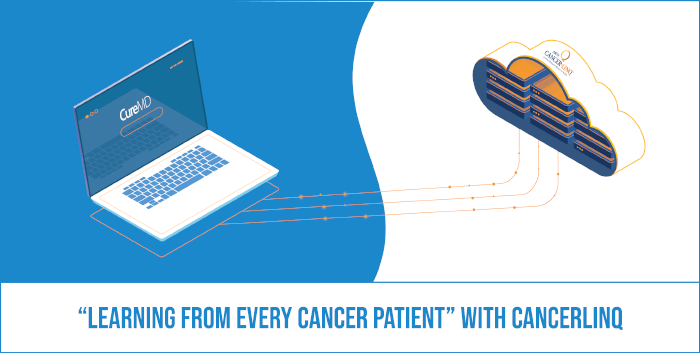
Every day providers encounter obstacles while planning effective treatments for oncology patients. Some of it is caused by the intractable nature of the disease, but a lack of access to data is a significant problem as well. Despite the fact that Big Data exists, the average practice doesn’t have access to it, adversely impacting patient Read more…
Enhancing Podiatry Patient Outcomes with Custom Orthotic Integration
Foot pain remains one of the most common complaints in podiatric practice, particularly among patients who spend long hours standing or walking at work. Heel pain, forefoot burning, arch fatigue, and progressive instability often stem from underlying biomechanical imbalance rather than simple overuse. For modern practices, improving outcomes is no longer limited to diagnosing and Read more…
How EHR-Integrated Knowledge Management Cuts Denials and Strengthens RCM
Yesterday, the front desk followed an old script. Billing just chased a denial that never should have happened. Somewhere in Google Drive, a payer’s January 1, 2026 prior-auth update sits unread. The issue isn’t search speed; it’s source decay. Stale rules outpace fresh guidance, and every denial, compliance finding, or awkward patient call drains money Read more…
How to Keep Your EHR Secure When Travelling Between Cities

Doctors and practice managers travel more than most people realise. There are conferences in Melbourne, locum shifts in Brisbane, a satellite clinic two hours up the highway, and the occasional trip home that turns into a working week because the inbox doesn’t stop. Cloud-based EHR systems make this possible. You can review a chart, sign Read more…
How Specialty Chiropractic Clinics Use EHR Systems
Chiropractic care is no longer general adjustments and a short note in the chart. Specialty fields such as upper cervical care and imaging based practice are growing, and they carry a much heavier documentation load. A specialty clinic may record neurological findings, 3D scans, exact alignment measurements and symptom changes at every visit. Each visit Read more…