
Communicating with the patients during times of uncertainty can significantly alleviate patient anxieties and address their questions and concerns. The COVID-19 pandemic has reshaped and radically transformed the entire healthcare landscape. It has altered how physicians practice medicine, primarily how they communicate with and reach out to the most vulnerable patient communities. Leveraging innovative health Read more…
5 Reasons Patients No-Show For Healthcare Appointments

There is no magic solution for eliminating no-shows. However, by showing empathy towards your patients and leveraging technology at your practice, you can considerably reduce their incidence. Patient no-shows are a downright recipe for increased costs. According to a study, the healthcare industry loses around $150 billion to patient no-shows every year. This is equivalent Read more…
Telehealth Best Practices: Building a long-term workflow

As a response to the COVID-19 pandemic outbreak, the healthcare industry has embraced telemedicine as the new normal. While the practices were initially only forced to implement telehealth as a quick solution, they are now adopting it wholeheartedly because of the incredible benefits of deploying telemedicine. Many only put a good enough explanation for now Read more…
How AI Medical Scribes Are Reducing Documentation Burden for Nursing Teams
As healthcare organizations adopt AI, documentation has become one of the clearest places where the technology is changing daily clinical work. For nurses and nurse leaders, AI medical scribes are among the most tangible applications, and they require no one to become a data scientist to benefit. Data from the Assistant Secretary for Technology Policy Read more…
How Practice Management Software Improves Behavioral Health Referral Tracking
Physical and mental health are connected, and that recognition has pulled behavioral healthcare into primary care. The benefits are real: reduced stigma, earlier intervention and better patient outcomes. Integration also means behavioral health referrals now happen constantly, across primary care, schools and specialty offices. A referral is a little like a prescription. Writing one down Read more…
How EHR Medication Management Improves Clinical Accuracy and Healthcare Workflows
Electronic health records (EHRs) have changed the way healthcare providers manage patient information. Instead of depending on paper files and disconnected records, healthcare practices can use a centralized digital system to document patient histories, medications, allergies, prescriptions, diagnoses, and other clinical information. One important part of an effective EHR is medication management. Accurate medication records Read more…
Combat the Flu Season with Telehealth

Cold and flu can be rough on everyone, including the patients and the providers both. A smart-telehealth strategy and the right virtual care platform can help sail through the difficult times relatively smoothly. The 2017-2018 flu season marked one of the worst epidemics in the history of American healthcare. Little did we know that the Read more…
Preparing Your Patients for their First Telemedicine Visit

2020 is the year of telemedicine. While the COVID-19 pandemic has proved disruptive for all aspects of healthcare, telemedicine, in particular, has witnessed a boom during the global crisis. It is rapidly evolving as the new normal, primarily owing to the convenience and easy access to care it offers. Continuity of care is mainly facilitated Read more…
Trump Administration Makes Case for ACA Destruction
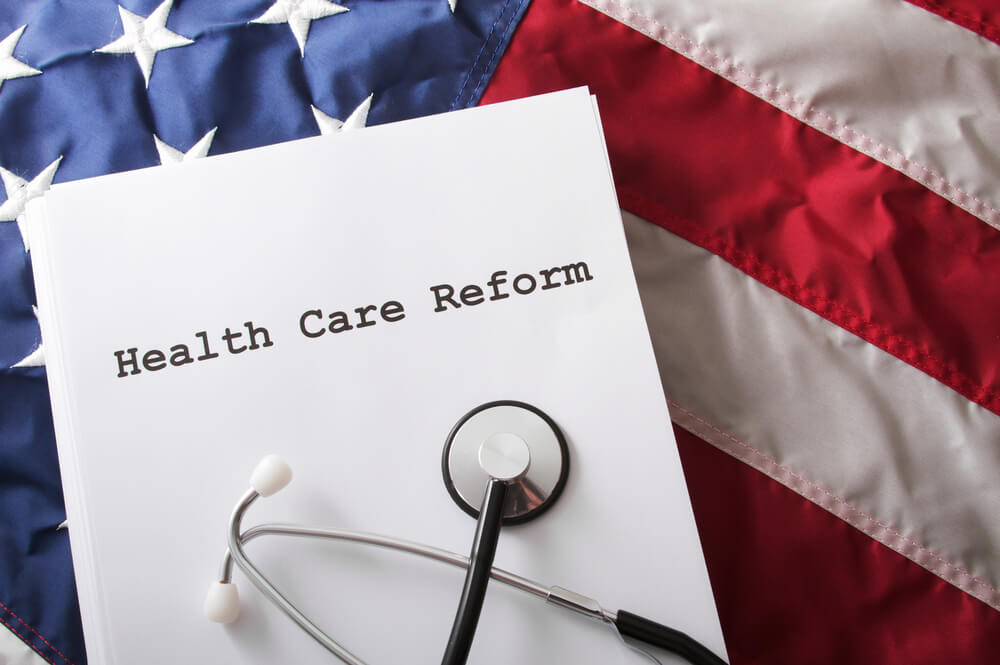
According to a last-minute brief filed at the U.S. Supreme Court on June 25, it has become evident that the Trump administration plans to continue its fights to get the Affordable Care Act (ACA) declared unconstitutional. ACA, also referred to as Obamacare, is unquestionably the most comprehensive healthcare reform law enacted in March 2010 under Read more…
Top 10 Reasons for Claim Denials

If you want to attain more financial success, you must overcome these common reasons for claim denials. Denials generally fall under two categories: technicalities and medical. Denials resulting from technicalities are incurred due to missing codes or authorizations and claim to file mistakes. On the contrary, denials are considered medical when the treatment is not Read more…