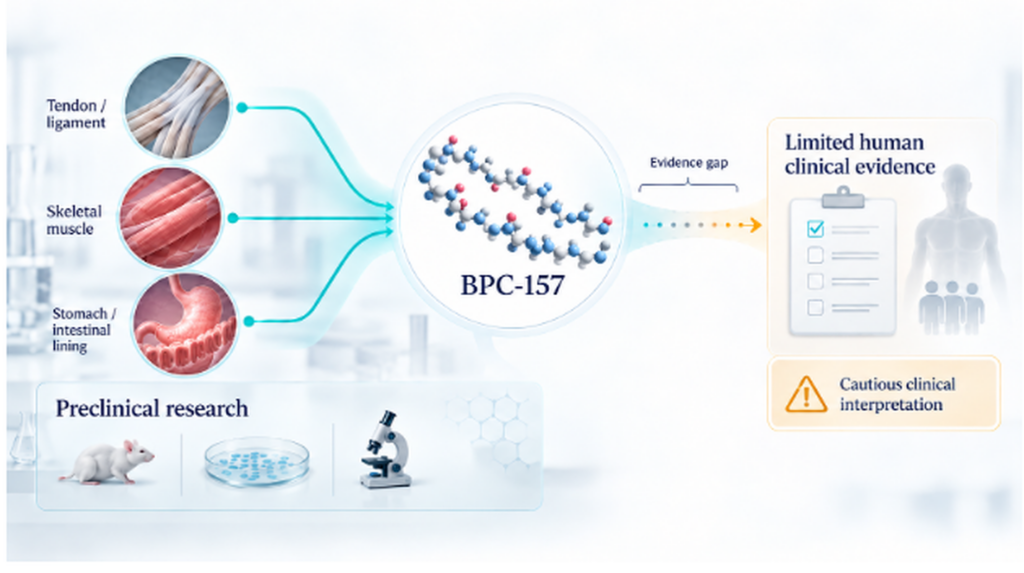
Few compounds have moved through gym forums and recovery circles as fast as BPC-157. It is pitched as a shortcut to healing strained tendons, sore joints, and stubborn gut issues, and that reputation is why questions about BPC-157 dosage show up constantly in training communities. The honest picture is more complicated than the hype, and Read more…
Common EHR Problems and How Medical Practices Can Avoid Them
Electronic health record (EHR) systems have become an important part of modern medical practice. They help providers manage patient information, document encounters, coordinate care, submit claims, and improve communication across a practice. However, an EHR can also create challenges when it is poorly implemented, difficult to use, or not properly maintained. Understanding common EHR problems Read more…
EHR Features That Matter Most for Pediatric Practices
Pediatric practices have unique needs that are different from those of adult-focused medical practices. From tracking growth and development to managing immunizations and communicating with parents, pediatricians need technology that supports both clinical care and efficient practice operations. The right Electronic Health Record (EHR) system can help providers manage these responsibilities while improving the overall Read more…
Things That Make Telemedicine Providers Successful

Telemedicine is a win-win for the patients and providers alike. With a thoughtful and strategic approach, you can realize incredible benefits across the board. Telemedicine is foreseeably evolving as a strategic maneuver for medical practices. While video visits are not new for the providers any more, many are embracing this technology with arms wide open. Read more…
10 Icd-10 Myths Expelled
The number of myths associated with ICD-10 codes is bound to put the Egyptians to shame. Some of these common misperceptions need to be countered with facts from the experts. Myth 1: ICD-10 contains ten times the number of codes listed in ICD-9. ICD-10 includes 69,832 diagnosis codes (ICD-10-CM) as compared to 14,567 diagnosis codes Read more…
How EHR Systems Improve Patient Record Accuracy in Optical and Eye Care Practices
Eye care runs on a blend of clinical and diagnostic data that has no close equivalent in primary care. Refraction results, intraocular pressures, corneal topography, contact lens parameters, imaging series and surgical history all have to be current, and they all have to agree with each other. A single transposed axis or a stale add Read more…
Three Ways Doctors Can Use EHRs to Treat COVID19 Patients

While Electronic Health Record (EHR) has witnessed a huge boom in the wake of the COVID-19 pandemic, it has paved the path for the proliferation of telehealth facilities, through advanced data analytics and EHR dashboards. It goes without saying that the outbreak of this life-threatening pandemic has exerted significant influence on population health and wellbeing. Read more…
Automating Public Health Administration to Protect Funding and Prevent Staff Burnout

Public health agencies are absorbing more responsibility every year while budgets, headcounts, and time keep contracting. Workforce shortages, burnout, complex grant reporting, and outdated data workflows are pushing already understaffed teams past capacity. That is why the conversation around artificial intelligence (AI) in public health needs to shift. AI should not be positioned as a replacement for public health professionals or as Read more…
Can Telemedicine Increase Practice Profitability?

Over time, healthcare practices have witnessed revolutionary transformation by adopting telemedicine software in a variety of ways. The decision to increase access care with telemedicine has allowed for a better work-life balance amongst physicians. It not only ensures better outcomes, but also reduces workload for the administration staff. These are a number of benefits that Read more…
5 EHR Alerts that Improve Post-Op Spine Care
Imagine checking on a spine surgery patient and instantly spotting small changes that could lead to major problems. That is what well-designed EHR alerts make possible. They highlight early warning signs and guide faster decisions. These alerts keep recovery from drifting off course and support your clinical instincts when timing matters most. In this article, Read more…